

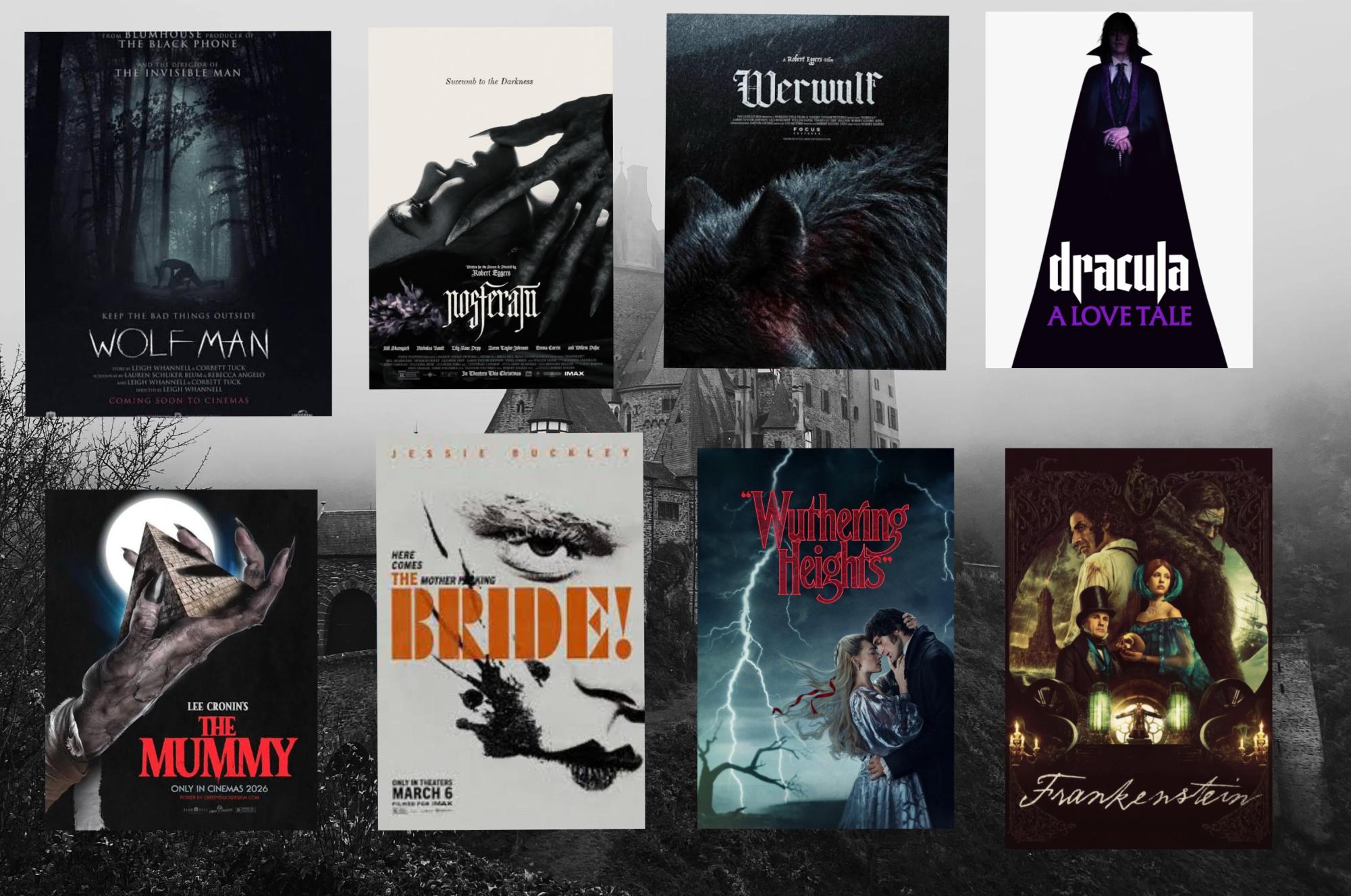
Monsters are everywhere! Vampires, Werewolves, and Frankensteins! They’re prowling in the night, and they’re looking for you! Ever since the release of Nosferatu (2024), directed by Robert Eggers and starring Lily-Rose Depp and Bill Skarsgård, multiple gothic films (many based on classic Gothic literature) have been announced and released in theaters. Examples include Frankenstein (2025), directed by Guillermo del Toro; The Wolf Man (2025), directed by Leigh Whannell; and The Bride! (set to be released March 6th, 2026) directed by Maggie Gyllenhaal, Wuthering Heights (set to be released February 13th, 2026) directed by Emerald Fennell, and Dracula: A Love Tale (set to be released February 6th, 2026). Original films are also expecting upcoming releases such as Werwulf (set to be released on Christmas Day 2026), directed by Robert Eggers, which, funnily enough, also stars Lily Rose Depp, and while not particularly gothic, but a remake of a classic monster story, The Mummy (set to be released April 17th, 2026), directed by Lee Cronin.
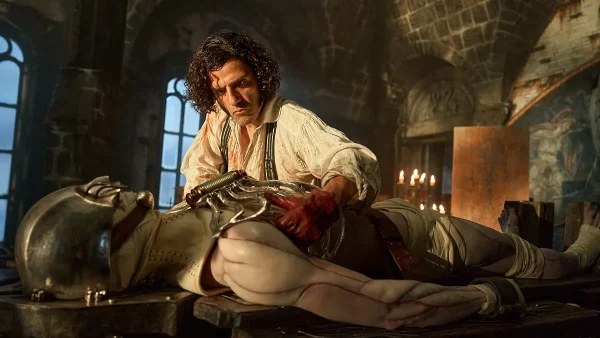
Directed by Guillermo del Toro
Shown: Victor Frankenstein (Oscar Isaac), The Creature (Jacob Elordi)
All of these films are widely anticipated by film buffs around the world, but is there a particular reason why we’re seeing a resurgence in classic monsters and gothic tales? It is entirely possible our current economic and political climate has been the sole reason why we’re seeing a renaissance in gothic media.
“Historically, gothic literature and, later, neo-gothic cinema have emerged in moments of social and political upheaval. These works re-emerge cyclically, translating the anxieties of their times into monstrous symbols,” says Caitlin Hennessy in an article with Mastermind.
It is undeniable that 2025 has been a gloomy and turbulent year for most people. With ICE raids, a rise in conservatism, tense global affairs, and government shutdowns, this rise in Gothic media may reflect current political climates, and it wouldn’t be the first time. For example, Bram Stoker’s classic Dracula (1897) reinvented the vampire to symbolize fears that were prevalent in the Victorian era: Foreign invasion (The Count moving from Transylvania to England), alternative religions (Count Dracula being afraid of crucifixes), and cultural contamination (The Count’s consumption of English blood).
Similarly, Nosferatu (1922), directed by W. Murnau (an illegal German “knockoff” adaptation of Bram Stoker’s novel), came out after the First World War, in which the story of Dracula was reinterpreted through the lens of post-war trauma. And while there were no direct references, critics have claimed its depiction of Count Orlock (played by Max Schreck) evokes antisemitic stereotypes, which would make sense for that time period in German history. Others have claimed the film reflects interwar Germany’s economic and epidemic anxiety.
A decade later, Dracula (1931), directed by Tod Browning, which would become the most iconic and recognizable depiction of Stoker’s 1897 novel, came out amid the United States’ Red Scare when xenophobia and anti-immigration sentiments were sky high due to the controversial 1927 execution of two Italian anarchists, Sacco and Vanzetti, whose trial was largely criticized for its bias. The monster, Count Dracula (played by Bela Lugosi), came to represent a national paranoia, a metaphor for a perceived threat of radical ideas. Similarly, Bram Stoker’s Dracula (1992), directed by Francis Ford Coppola, also emerged during rising fears of “open borders”.
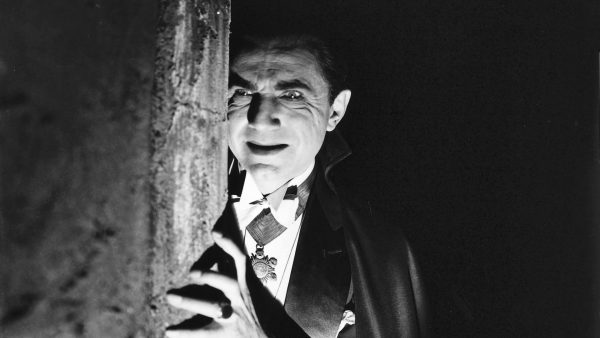
Directed by Tod Browning
Shown: Bela Lugosi (as Count Dracula)
Films, TV, books, music, and video games have always reflected real-world events. With the current debates on immigration policies happening in the U.S., it is almost natural for Gothic films to be made.
Like the surge in patriotism in country music after the attacks of 9/11, or The Crucible (1953), written by Arthur Miller, which used the Salem witch trials as a metaphor for McCarthyism communist “witch hunts,” art will always be a product of its time, based on the current state of the world. And classic gothic tales invite us to face our fears and prepare for what’s to come next.


