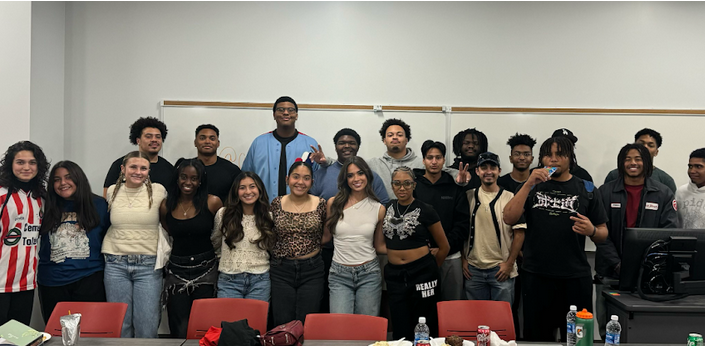


Between homework, school, and work, most students do not have the time or access to exercise or healthy food. Nutrition and exercise are not only a personal preference for most students but are also proven to set students up for success. Second-year student Michael Collins had this to say, “I try to set time to exercise, but get overshadowed by homework and everything else.” He also shared, “Whenever I don’t have enough time to even get a quick exercise in, I feel I struggle to pay attention in class and lack energy.”
This issue is not only felt by students, but medical professionals also recognize it. Eshan Belligundu, a writer for the Stanford Lifestyle Medicine, shares that even quick bursts of exercise can significantly improve attention, memory, and executive functioning. Obviously, the more intense and longer the exercise, the better, but even something like taking the stairs over the elevator will be beneficial. Or even doing push-ups or jumping jacks during breaks in homework. Just small changes like that over time will slowly improve day-to-day life. Chris Runyon, also a second-year student, agrees, “I was never a healthy eater because fast food is cheap and more accessible,” he said, “When I started paying attention to what I put in my body, I noticed I was more focused in class, rather than my usual dozing off.” Exercises like running, swimming, and even brisk walking improve memory. While strength and flexibility exercises will improve protection of the body from injury, posture, and reduce fatigue. These are all positives that will not only help someone in a classroom, but also anyone who works sitting down or who doesn’t move much.
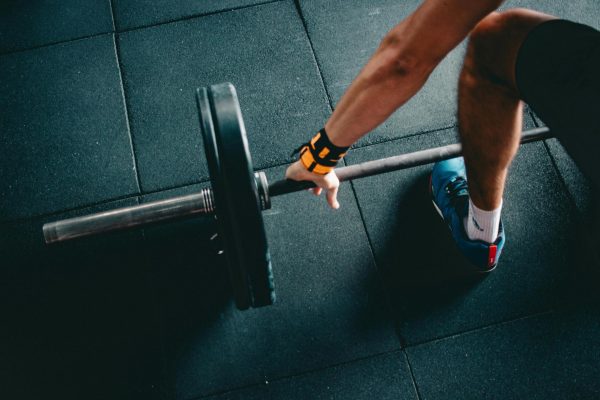
Another important factor is nutrition. Nutrition is not only fuel for exercise, but also fuel for the brain. Keeping a consistent eating pattern helps control energy and attention. According to Belligundu, combining meals with short exercise breaks works effectively. After healthy meals and exercise, returning to class with a sharper mind improves performance for whatever is at hand. Michael Collins said, “I did not think I could fit so much into my way.” Also said, “Now I make sure I eat a solid breakfast and exercise for at least thirty minutes. I have already noticed I am less stressed and more productive.” Given that students already have so much on their plates, adding time for exercise and healthier eating, such as home-cooked meals, can feel overwhelming. According to Mary L. Gavin, any amount, even small increments of focused exercise and paying attention to nutritional needs, can improve confidence, reduce stress, support better grades, and offer other benefits. (Gavin, 2022) Eating healthy and exercising is not just about looking well physically. It is a way for students to build a foundation for mental health and academic success.