


































































Mount San Jacinto College is facing a sharp rise in student food insecurity as recent SNAP disruptions ripple across Riverside County. More than 100 students per day turned to the college’s food pantries in November, according to campus officials. The surge comes as MSJC intensifies its efforts to support students through CalFresh (SNAP) assistance, expanded pantry services, and basic needs outreach.
“We’ve seen usage double in the past year alone,” said Lisa Campbell, MSJC’s Associate Dean of Student Support Programs. “The November SNAP issues pushed even more students our way. They needed immediate help, and we were ready for them.”
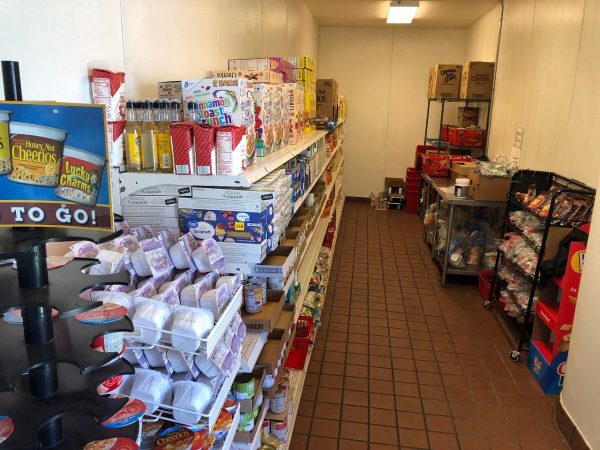
MSJC operates two full basic needs centers, one at the San Jacinto Campus and one at the Menifee Campus, where students can access meal items, canned goods, snacks, and pantry staples at no cost. The centers are part of Eagle’s Landing, which is overseen by Basic Needs Coordinator Daisy Blazer. Students enrolled in at least one credit or noncredit class can visit once a week without an application.
To help supplement holiday food shortages, the department also distributes turkey certificates valued at approximately $50, hosts multiple free food events each semester, and partners with Feeding America, Amazon Foods, and campus cafés to supply food inventory.
The biggest pressure point this fall has been CalFresh, known nationally as SNAP. CalFresh benefits provide monthly food funds to low-income residents, but recent processing delays and system issues across California have left students struggling.
“We meet students who rely on CalFresh for basic groceries,” Blazer said. “So when their benefits are delayed or reduced, they come straight to us because they still need to eat.”
MSJC plays a frontline role in helping students apply for and maintain CalFresh benefits. Staff at both basic needs centers assist with applications, and Riverside County Social Services sends certified technicians to MSJC campuses monthly. Some students can be approved on the same day.
Many still face barriers. Campbell explained that federal rules require students younger than 24 who live with their parents to be counted in the household’s CalFresh case, even if they pay rent or buy groceries independently. “It’s the issue we see the most,” she said. “Students feel independent, and they are in many ways, but CalFresh doesn’t recognize them as a separate household until age 24.”
Beyond access issues, fresh food remains the hardest to provide, which students want the most. Because MSJC pantries currently lack refrigeration, offerings are limited to shelf-stable and canned goods. Popular items include canned tuna and chicken, beans, rice, pasta, tortillas, peanut butter, canned fruits and vegetables, and occasionally eggs, apples, onions, or oranges.

“Our biggest challenges are refrigeration and rising food costs,” Blazer said. “We purchase what we can, and receive donations from staff, the MSJC Foundation, Rotary, and community members, which really help fill in the gaps.”
Basic needs staff track pantry use through student ID check-ins and measure total pounds of food distributed, data that helps secure funding from the California Community Colleges Chancellor’s Office. Outreach is widespread, including class presentations, tabling, weekly roundup announcements, social media posts, and student worker ambassadors.
Campus officials say awareness has grown, but stigma still prevents some students from seeking help. Both Campbell and Blazer emphasized that privacy and dignity are central to their work.
“There’s no judgment,” Campbell said. “Many of us have experienced needs ourselves. If coming to the pantry feels intimidating, students can email or call us; we can prepare a private pick-up.”
Looking ahead, MSJC hopes to open a full pantry at the Temecula Campus and eventually add refrigeration to expand healthier offerings. Staffing and funding remain the largest hurdles, but Campbell said the team is committed to continued growth.
“Our goal is simple,” she said. “We want every student to feel supported, respected, and heard, and we welcome their suggestions about what foods they’d like to see.”
For more information contact:
Lisa Campbell
Associate Dean, Student Services
[email protected]
951-487-3470
Daisy Wettstein
Basic Needs Coordinator
[email protected]
951-487-3473
Email: [email protected]