


























As families across Murrieta prepare their turkeys and sprint to the grocery stores to stock up on last-minute ingredients, they’re participating in a tradition that dates back a little over 400 years, when a group of colonists and the Wampanoag peoples shared a harvest feast. Yet in 2025, Thanksgiving in Murrieta has taken on a distinctly local identity, one rooted in community, service, and the city’s growing cultural diversity.
The origin of Thanksgiving traces back to 1621 in Plymouth, Massachusetts, where English settlers and members of the Wampanoag tribe gathered for a three-day harvest celebration. The event, later given the title “The First Thanksgiving,” featured venison, fowl, and seasonal crops, and was less about formal gratitude and more about survival and diplomacy. It wasn’t until 1863, in the middle of the Civil War, that President Abraham Lincoln established Thanksgiving a national holiday. President Lincoln called for a day of unity and reflection during one of the darkest moments in American history. Over the next century, parades, football games, and family reunions became staples of the holiday, shaping the modern version celebrated today.
In Murrieta, the meaning of Thanksgiving continues to expand and is visible in the city’s community organizations. The Community Food Pantry of Murrieta reports increased demand this year, with volunteers preparing hundreds of holiday meal boxes for local families. Rising food prices, combined with the region’s growth, have increased the demand.
“Every November we see more families walking through our doors,” Eduardo Garcia, a volunteer at the Food Pantry, said, “Thanksgiving is about coming together, so we want to make sure everyone in Murrieta has the chance to sit down to a good meal.”
Local churches, including The Mill and Centerpoint Church, hold annual Thanksgiving outreach events, offering meals and warm gatherings for seniors, veterans, and families who may not have a place to go. Meanwhile, student groups across the Murrieta Valley Unified School District are organizing canned food drives, collecting everything from stuffing mix to cranberry sauce.
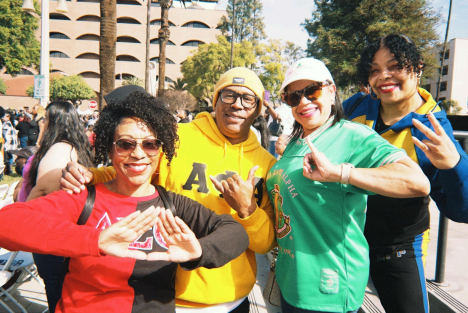
But Thanksgiving in Murrieta is far from a one-size-fits-all tradition. With a population that reflects a wide range of cultural backgrounds, the holiday table here looks very different from the one depicted in traditional American imagery. While the classic turkey remains popular, many households incorporate dishes that reflect their heritage. Filipino families add pancit and lumpia. Mexican-American families serve tamales, birria, or arroz con leche. Middle Eastern families bring hummus, kebabs, and saffron rice. Others blend traditional American sides with Japanese, Samoan, Korean, or Indian flavors.
The impact extends beyond dinner tables. Murrieta’s parks and recreation programs host early morning Turkey Trots, while the Murrieta Senior Center organizes an annual Thanksgiving luncheon, giving older residents a chance to gather and celebrate. Even local gyms feel the seasonal surge, preparing for crowded “pre-Thanksgiving” workout sessions.
Despite the modernization of the holiday, the core themes of gratitude and community still shape how Murrieta observes the holiday. Families gather for football, friends come together for Friendsgiving celebrations, and volunteers step up to support neighbors in need.
“Thanksgiving isn’t just a historical event,” said Mark Williams, an employee at Ralph’s grocery store. “It’s a reminder of what holds a community together, gratitude, generosity, and taking time to slow down.”
Over 400 years after the Plymouth feast, Thanksgiving continues to evolve. But in Murrieta, just as in 1621, the heart of the holiday remains the same: people coming together. Whether through traditional meals, cultural fusion dishes, or community outreach, residents of Murrieta carry forward a legacy of unity and thankfulness, one plate at a time.