















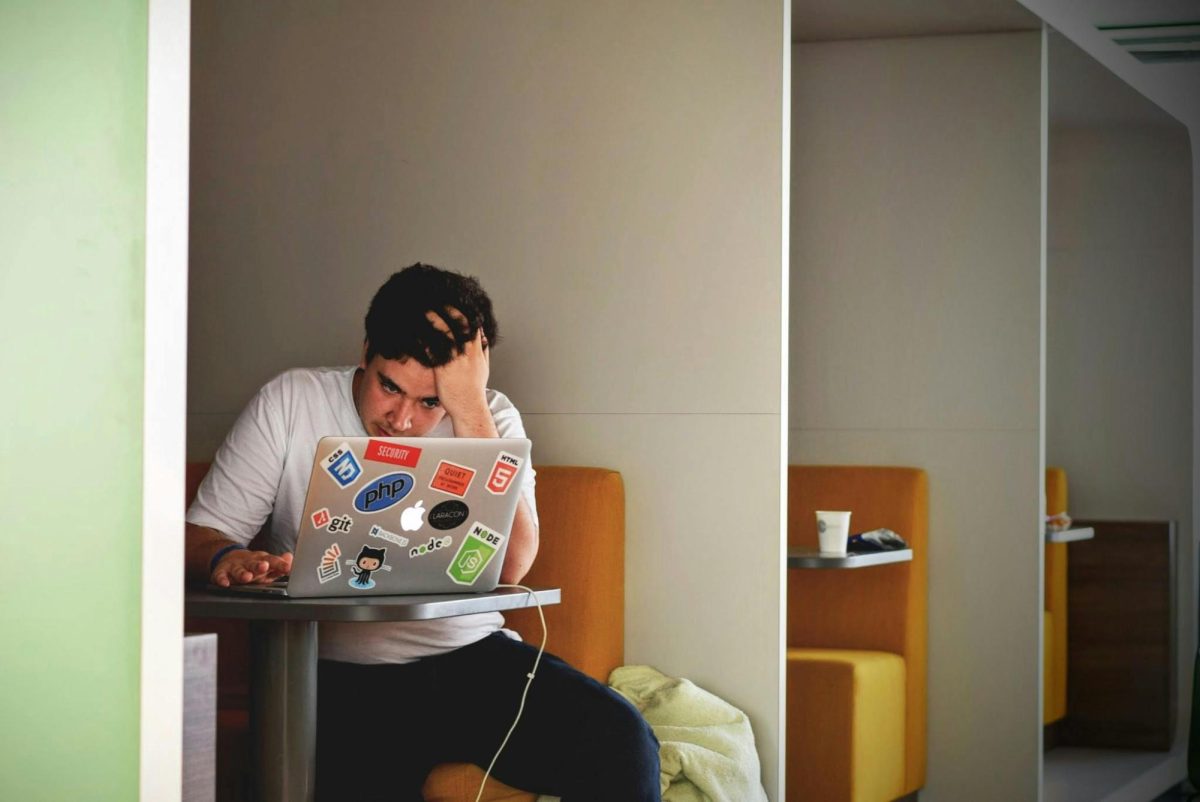






































Across campuses, coffee cups outnumber water bottles as students are powering through exams on little sleep and a lot of caffeine. But as more students rely on caffeine, doctors warn of rising health issues that range from insomnia to anxiety and dependence.
“Without caffeine, I’d fall asleep and have unfinished homework”, said Alondra Huerta, an MSJC student who once consumed 300 milligrams of caffeine a day to stay awake for her six classes.
Caffeine dependence refers to the growing reliance many students have on caffeine, which ranges from coffee and energy drinks, to stay awake or focus. Over time, the repeated use can lead to physical and psychological dependence, where students feel they need caffeine to function properly, which can cause side effects such as fatigue, headaches, irritability, and poor sleep when caffeine is not consumed.
Many caffeine options, such as coffee shops, energy drinks, and campus cafes, make it easier for students to rely on caffeine. Many students say caffeine feels like a necessity, not a choice, but some are beginning to rethink that habit.
Huerta said taking six classes for both semesters last year was what caused her academic pressure, which led her to rely on caffeine. “I needed it to stay awake all day and night for classes and to keep up with my homework” she said. While caffeine helped her to stay alert and awake, soon, the side effects had started to outweigh the benefits. “I started to feel nauseous, jittery, and had constant headaches” she said. With Huerta’s side effects starting to affect her daily life, her doctor, concerned with her caffeine intake due to stomach problems, Huerta decided to quit and give up caffeine all at once. “If I kept consuming the amount I usually did, I would have to take medication for it” she said.
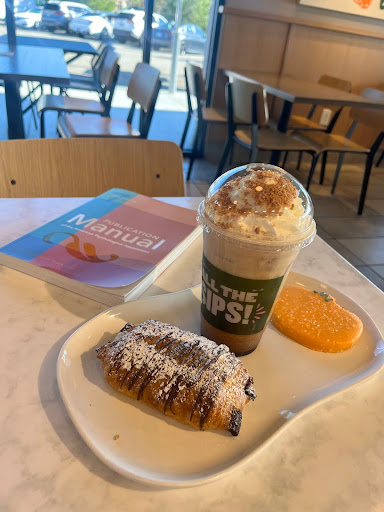
Many students share similar experiences. Jennifer Santiago, a CSU Fullerton student, said that caffeine has become an integral part of her daily routine. “I definitely feel it’s due to my lifestyle that I rely on caffeine to keep me up and running” she said. Long assignments had often caused her to procrastinate, leading her to drink coffee and occasionally energy drinks to stay on track. When comparing her caffeine habits to those of her peers, she said, “I often see variations like a can of energy drinks or a mug of coffee, making caffeine use seem normal.”
Both students have faced physical and mental effects from caffeine. Huerta’s experiences with caffeine caused her insomnia, nausea, headaches, and shakiness. Santiago explained how she was receiving many headaches, having opposite fatigue effects, stress, and difficulty focusing. “Caffeine gave me headaches and made me feel more stressed about finishing assignments” she said.
After Huerta quit caffeine, she was able to create new habits to stay energized. “I stopped waking up jittery when I started to drink more water and take regular naps” she said. Santiago has also tried to cut back on caffeine but admitted it isn’t easy. “I’ve tried multiple times, only going a week or sometimes a month, but I always went back,” she said. “But when I stopped, I felt less tense and more focused.” Both students say it is not just about cutting caffeine completely but also finding better habits. “I found that silence helps me focus, just being in a quiet room keeps me alert without coffee” Santiago said.

Experts recommend several ways for students to boost energy without relying on caffeine. Maintaining a consistent sleep schedule, staying hydrated, exercising regularly, and eating balanced meals that include protein and complex carbohydrates can all help improve focus and energy naturally. Campus wellness programs, counseling services, and time management workshops can also help students manage their schedules more effectively, reducing the temptation to rely on caffeine for stamina.
Huerta encourages other students to listen to their bodies before reaching for another cup of coffee. “Maybe try to replace coffee or caffeine with apples with peanut butter or Greek yogurt with berries,” she said. “Fixing your diet could help with not wanting caffeine.” Santiago agrees that moderation is key. “Needing caffeine every day is definitely a mindset,” she said. “There are many different ways to keep your energy up, like eating healthy and having better habits.”
Caffeine itself is not the enemy; it’s how students use it. When it becomes a substitute for sleep or a coping tool for stress, it can take a toll on both physical and mental health. Both Huerta and Santiago say their experiences have taught them the importance of balance. “If I could go back, I’d minimize how many espresso shots I put in my coffee,” Huerta said. As students become more aware of the risks, a shift toward healthier routines could be brewing. Instead of another energy drink, the next big boost might just come from rest, balance, and self-care.


